Summer
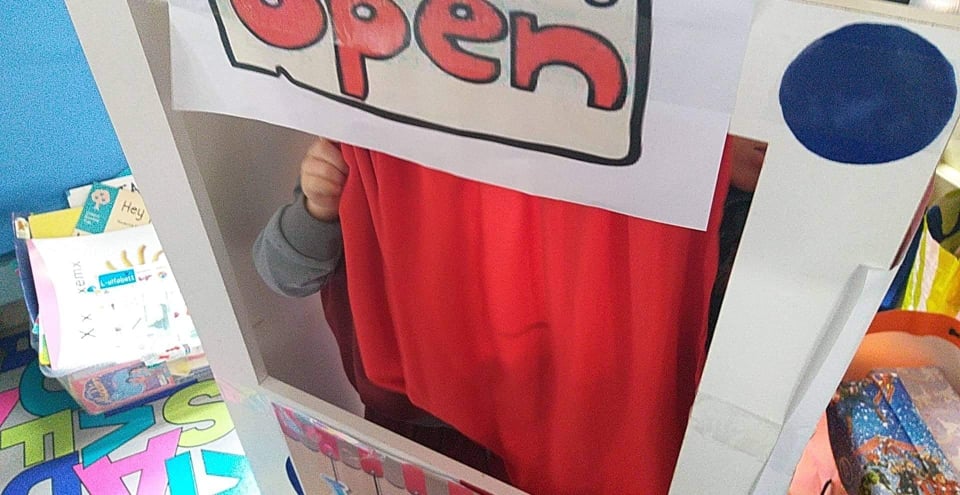
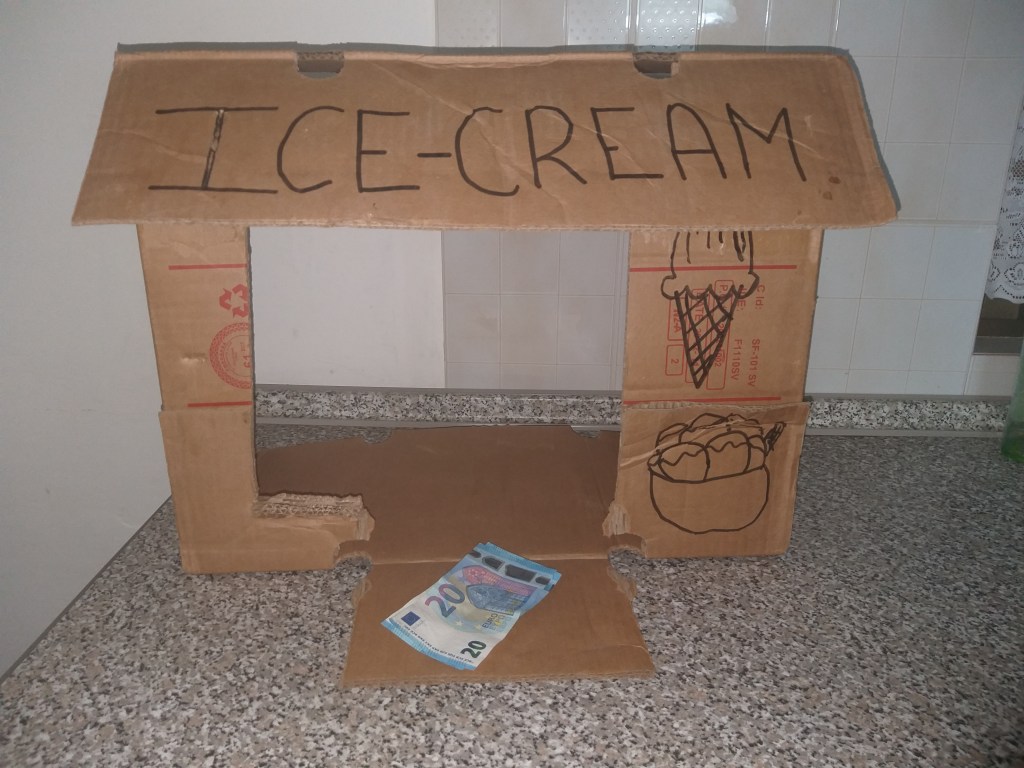
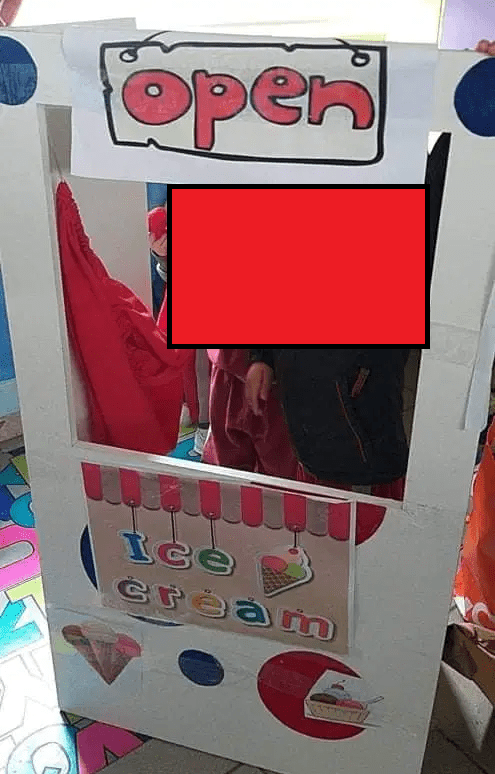
Selling Ice-Cream
In this activity the children will be encouraged to play the role of the ice-cream man/woman and a customer whilst displaying their knowledge about ice-cream
Materials needed:
- Coloured pompoms
- Cotton-wool
- Sprinkles
- Plastic tea-spoon
- Plastic Bowls
- Chocolate flakes
- Fake/real money
- Cash register (optional)
- Posters of ice-creams representing the different flavours
- Plastic/paper cones
- Box
- Scissors
Method:
- Start by cutting the bottom of the box to serve as a window between the customer and ice-cream man/woman.
- Provide the children the posters of the ice-cream and allow them to hang them anywhere they would like to.
- With the help of the child, arrange the different materials according to the liking of the child and let the fun begin.
- Negotiate the roles with the child and try your best to participate actively in the activity with the child.
Learning Points of this activity:
To enhance children’s imagination since they are going to apply what they know along with additional knowledge into practice
To develop even further their manners since they are going to be serving ice-cream to customers
To encourage the children to communicate with one another and socialise together. Therefore, children’s relationship will be strengthened even more.
To encourage children to understand the concept of money and payment when the customers will buy the ice-cream. Apart from that, it strengthens children’s numeracy skills such as counting and adding and subtracting.
To encourage children to show reciprocal respect and listen to one another
Designing a shirt to protect ourselves from the heat of the sun.
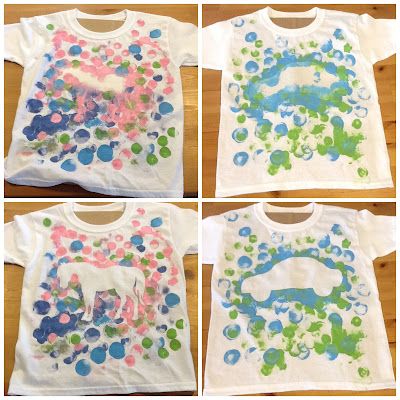
In this activity, the children will design their personalised shirt to wear when going outside in the sun.
Materials Needed:
- A plain white shirt
- Sponges
- Paint Brushes
- Non-Toxic Paints
- Aprons
- Containers
- Cup filled with water
Method:
- Start by helping the children in putting on their aprons to protect their clothes
- Then, prepare the required materials on the table and make sure to expose the children to different colours.
- Encourage children to dip the sponge or the paint brush in their preferred colours.
- Paint the shirt and have fun.
- After finishing painting the shirt, hang it and leave it to dry in the sun.
- When going outside, encourage the child to wear their personalized shirt as a way of appreciating their work of art whilst protecting themselves from the rays of the sun. Additionally, rub sunscreen on each other whilst singing the song “Rub-A-Dub” sunscreen song. It goes like this :
” COVER UP! COVER UP! UMM! UMM! UMM!
COVER UP! COVER UP! FUN! FUN! FUN! “
Learning Points of this activity:
To foster children’s creativity as they design their shirt in their own preferred ways.
For children to validate a sense of pride and value when they are encouraged to put on their own shirt.
To improve children’s memory skills when they sing repeatedly the rub-dub sunscreen song
To make children aware of the importance of sunscreen and clothes when being exposed in the sun.
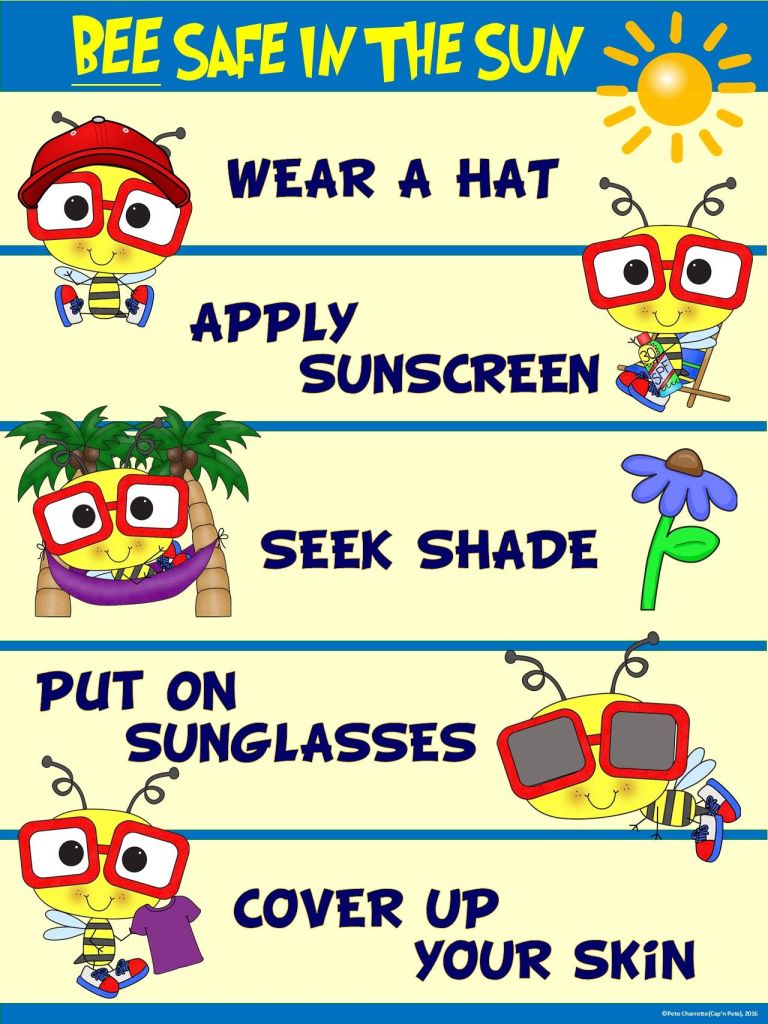
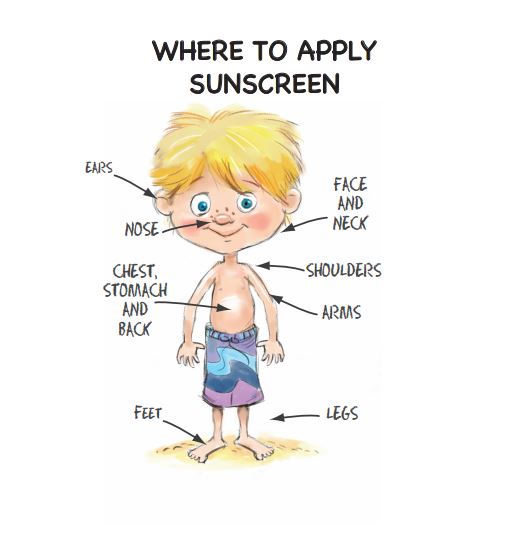
When buying and applying the sunscreen and adequate clothes, consider and reflect on these questions:
- Who needs sunscreen?
- When should I use sunscreen?
- How much sunscreen should I use, and how often should I apply?
- Where should I apply the sunscreen?
- Should the sunscreen be of a low SPF number or a higher one?
- How can I protect my children from the sun?
- What should I wear to protect myself and the children from the rays of the sun?
- What shades of clothes should I wear when being exposed in the sun?
Sun Exposure Experiment
Here in this activity, the children will be allowed to see the effects of the sun radiation on different substances.
Materials Needed:
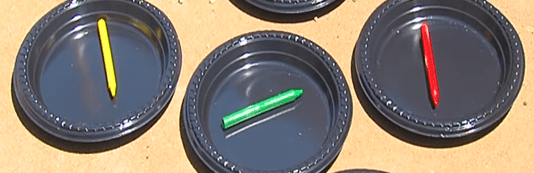
- Crayons
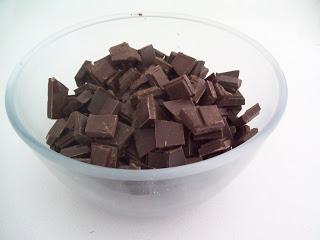
- Pieces of Chocolate
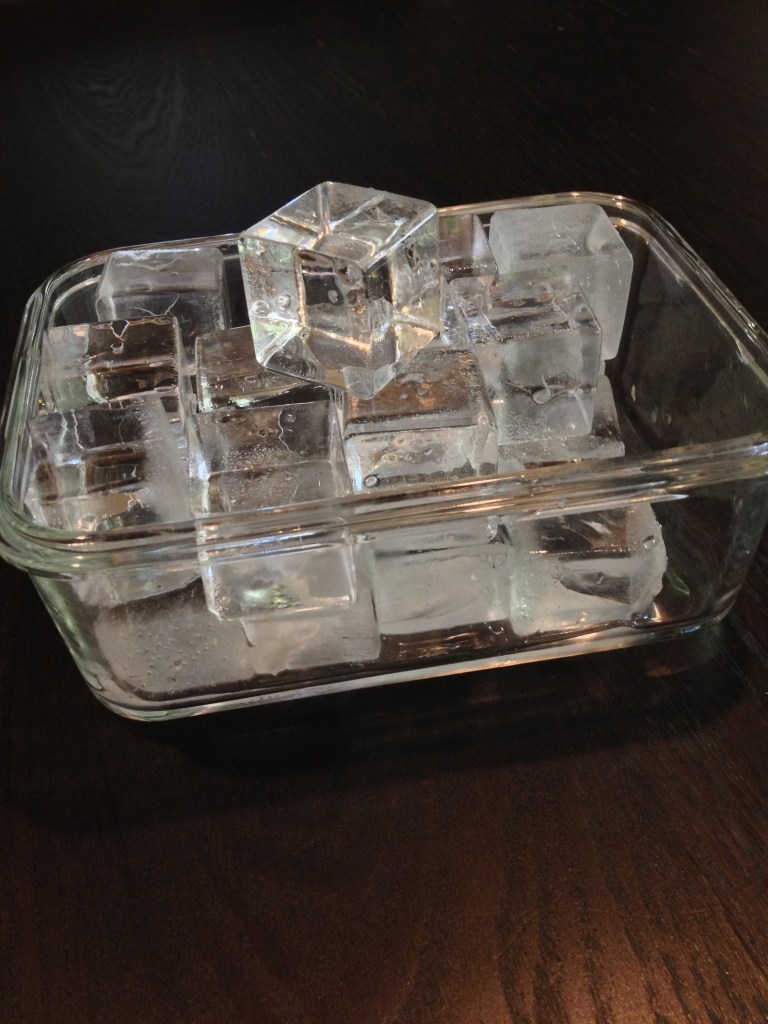
- Ice Cubes
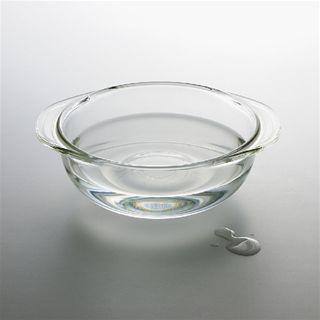
- Cold Water
- 4 containers
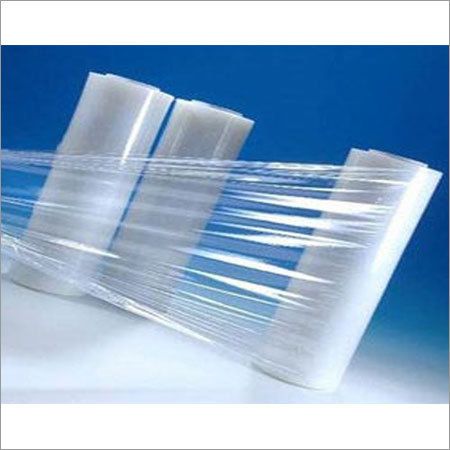
- Stretch Wrap Roll
Method:
- Place each substance in a different container and cover them with stretch wrap roll except for the one containing the cold water.
- All the children are to dip their finger in the cold water so as to get a feeling of its temperature. Then cover it with stretch wrap roll.
- Place all containers directly in the sun and leave them for about 5-6 hours.
- After 5-6 hours in the sun, remove the plastic wrap and see the differences in the substances before and after the experiment. Remind the children how the water felt before by allowing them to dip their finger in the container full of cold water. Then tell them to place their finger in the water that stood in the sun and note the difference in temperatures.
Learning Point of this activity:
To help children understand that the sun radiates heat and can melt and make objects hot.
It can promote higher order thinking skills in children when predict, analyse and assess, and develop hypothesis about the objects before and after being exposed to the sun.
It can enhance and improve children’s senses when feeling different textures of the objects before and after the experiment
It encourages children to communicate their thoughts and thus it helps in expressing and describing themselves better.
To understand how strong the sun is on us, and so this will prepare them for the next activity that will be about protecting ourselves from excessive heat from the sun.
Sand and Water Sensory Bin
Here is a summer activity you can implement, perfect for a hot summer day that will surely put a smile on your children’s faces.
Materials Needed:
- A large storage container
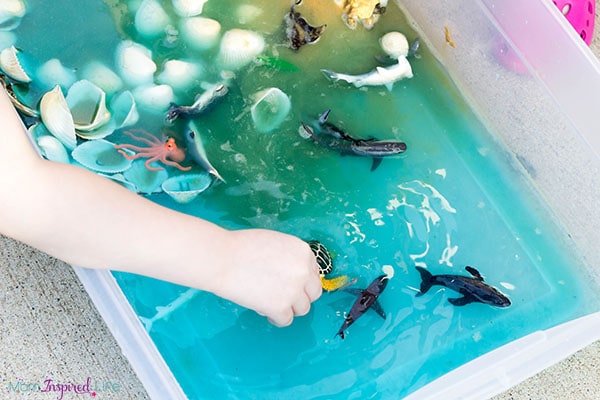
- Ocean animal toys such as, fish, turtles and starfish.
- Plastic decorative or real life shells
- Sand (real/kinetic or else homemade – by mixing flour with any preferred oil)
- Salt
- Water
- Blue food Colouring
- Spoon
Method:
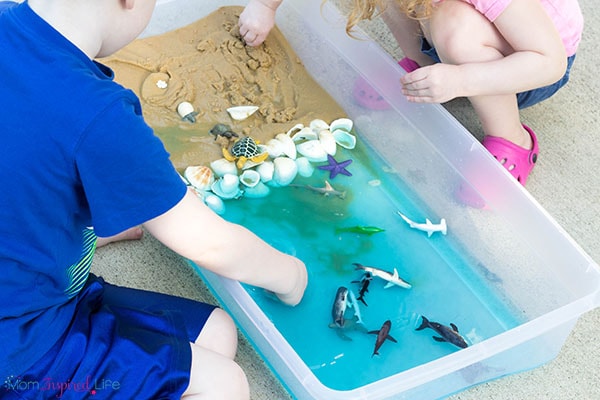
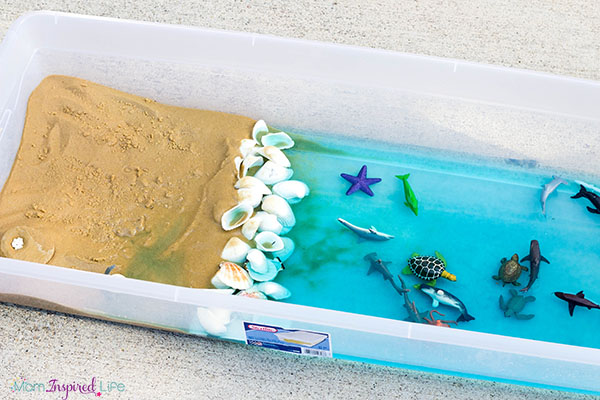
- Pour sand on one side of the plastic container.
- Place several shells at the edge of the sand in order to act as a barrier between the sand and water.
- Pour water slowly in the empty side of the container, keeping in mind that needs to be at a lower level of the sand.
- After that, add some few drops of the food colouring to the water and it with a spoon.
- After adding the food colouring, add 1-2 tbs of salt to the water and mix it well using the same spoon.
- Last but not least, add the ocean animals to the water in the container and let the fun begin.
Conclusion of the activity (optional):
After exploring different sea animals and experimenting with water and sand, you can watch the famous cartoon movies called Finding Nemo and Finding Dory.
Learning points of this activity:
To give children an insight of creatures that live in the sea. Through this, children can be aware of different types of fish having different patterns, colours, sizes and forms. This will lead them to distinguish between the animals who live in the sea and the ones who live on land.
To improve children’s observational and concentration skills.
To promote active contribution and communication amongst the children and with the adults.
To sustain children’s knowledge about sea creatures and the ocean habitat.
To understand the purposes of and reasons for living in the sea.
To support and sustain children’s creativity when they create certain scenes in the water and designs out of the sand.
 Early Childhood Education