Acting out different hygiene practices

In this activity, the children will be able to identify different hygiene practices so as to promote personal hygiene to the children. This activity will sustain children’s knowledge and skills of responsibility, as they will get to know about the right ways of taking care of themselves.

Materials Needed:

  • Matching cards containing different items and physical body features (as presented in the attachment below)
  • Chairs (optional)

Method:

  1. Start by mixing the cards and place them faced down on the table.
  2. Then encourage the children to pick two cards at a time and if they don’t match, they place them back down.
  3. You are encouraged to act as co-learner and co-partner and participate in this game with the child. It is very important to remind the child, that this game is not about losing or winning but to have fun.
  4. After finishing the matching game, notify the child about the rules of the other game of acting out different hygiene practices.
  5. It is very important to remind the child, that if they don’t guess the right answer, they can try again and not give up.
  6. The adult needs to make sure to give enough time and chance for the child to display the action, as they might find it difficult to express their thoughts through physical movements only. If the child desires to talk whilst doing the action, let them.
  7. After finishing the last game, the adult is encouraged to show and tell the child about the right practices of the personal hygiene. It is up to the adult to use any props such as puppets or other resources if needed.

Learning points of the activity:

To develop further their observational and concentration skills as they observe different movements and actions of the other player

To promote cooperation and teamwork skills

To sustain children’s knowledge and ideas with regards to personal hygiene

To foster persistence and resilience in children and to not give up

To develop further children’s skills in particular their responsibility.

To improve children’s physical and body movements in particular their gross motor skills, when they use their body features as a medium to act out the practices. In addition to that, children’s pincer grasp can be developed further when picking up the cards using their fingers.
Covid-19

This virus is related to a family of viruses known as coronavirus. Such a virus, that started in Wuhan China in 2019, has spread around the world. It affects mostly the respiratory system. It spreads very easily via contact with droplets, and can be quite serious and even fatal to vulnerable people. Such individuals include those over the age of 65, diabetics and those who have an underlying condition such as: cancer, respiratory disease (for example asthma). There are several ways how we can protect ourselves from this virus especially when visiting shops by for example wearing a face mask or visor and washing/sterilizing our hands regularly.

Cleaning the Environment

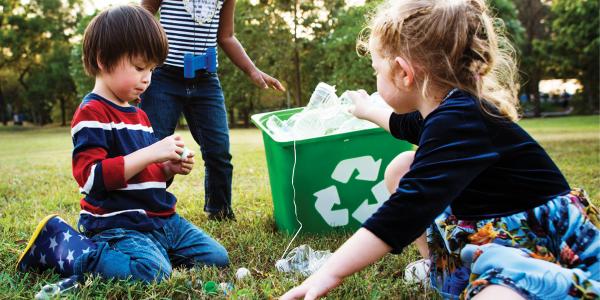
This activity will involve the children in searching for any items in the garden/roof and gather them. After gathering them, they will need to place them at the respective bins.

Materials needed:

  • Green (recycling bag) and white (organic bag) plastic bags
  • 2 large boxes for the plastic bags
  • Paper
  • Plastic bottles and cups
  • Metal lids
  • Milk cartons
  • Different peels such as orange peel and banana peel.
  • Egg shells
  • Bin tags (Recycling and Organic)

Method:

  1. Start by placing the plastic bags according to their respective bins and tags.
  2. Then spread the resources around the roof/garden in children’s eye level.
  3. Show children a video about recycling so as to prepare them for the activity (optional). (You can refer to videos displayed on the “Educational Videos” Page of this blog
  4. Notify the children about which type of material goes into which bag – that is plastic, papers, cartons and metal go into the recycling green bag and shells and peels go into the organic white bags.
  5. You are encouraged to participate with the children in this activity, to enhance children’s engagement and eagerness.
  6. Allow the children to explore freely the environment using their senses and encourage them to critically think.
  7. After each collected item, encourage the children to place it in the bin they think is correct.

Learning Points of this activity:

To make children aware of the importance of recycling

To encourage further leadership and cooperative skills amongst the children

To promote important skills such as independence and responsibility

To improve children’s knowledge and understanding of the world around them

To develop further children’s pincer grasp as they pick up the items one by one

To instil a sense of drive, pride and accomplishment in the children for them to continue recycle everyday

To improve children’s body control and strengthen their body movements.

This is a sample of how the activity can be implemented

Earth Day

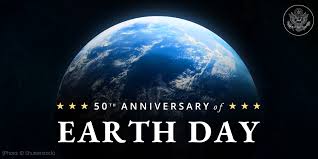
Earth Day is celebrated on the 22nd April each year. This year marks the 5oth Anniversary of such an event. It is important to know and teach others especially the young ones, that taking care of the environment should be done everyday and not just on this day. The children should be reminded that when taking care of the environment, they are acting responsibly in protecting themselves, the nature and their families.